• Skip to primary navigation
  • Skip to main content
  • Skip to primary sidebar

QTOOTH

News & Reviews for Living with Bluetooth Wireless

  • Reviews
    • Wearable
    • Gaming
    • Health & Fitness
    • Home & Office
  • How To Tips
  • Industry News
  • About QTOOTH

Home & Office

Eye Tracking, Gesture Control, Voice-Activated… What Will Become of the Mighty Mouse? Logitech Wireless Performance Mouse MX Review

2015-01-04

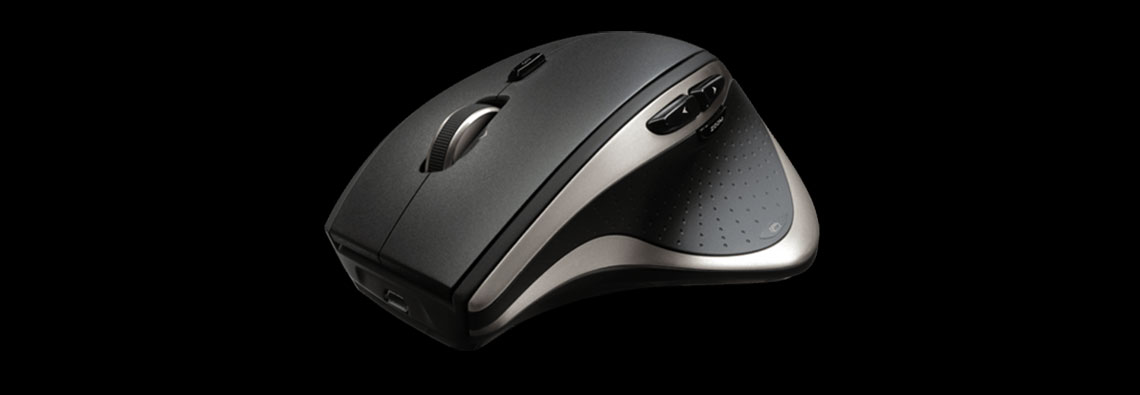
logitech-wireless-performance-mouse-mx-review-front-left-view-qtoothAs mentioned in the title of the article, there are so many options these days for controlling our electronics that it makes us wonder… is there a future for the once mighty and all powerful computer mouse? Of course, this might make you wonder why we are even doing a [easyazon_link asin=”B002HWRJBM” locale=”US” new_window=”default” nofollow=”default” tag=”uneomediacom-20″ add_to_cart=”default” cloaking=”default” localization=”default” popups=”default”]Logitech Wireless Performance Mouse MX for PC and Mac[/easyazon_link] review. Hasn’t it been on the market for over five years? But these are exactly the reasons why we want to take another look at it.

Similar to our second look at the enduring popularity of the LG Tone+ HBS-700 & HBS-730 Bluetooth Headsets, we wanted to find out why this remains one of the best selling, most popular mice on the market, beating out almost every wired and wireless model in existence. Not only that, it gives evidence that there is a huge amount of people out there who just plain prefer them over every development in human-to-computer interface technology, including not only the now readily-available touch pads and touch screens, but also the ever-improving forms like eye-tracking, gesture control and voice-activation. Please note that the Logitech Wireless Performance Mouse MX is meant as a best-in-class device for typical uses, such as office or web work. We treat gaming mice as a separate class and will do a review on the most popular version soon. In the meantime, let’s take a look at what the Logitech Wireless Performance Mouse MX offers!

The Basics

Comfort – It is an asymmetrically sculpted, ergonomically designed mouse. What it sacrifices in the ability to be used in either hand it more than makes up for by being incredibly comfortable. This is one of the most natural feeling we’ve used. It disappears into the hand and we experienced little if any fatigue over extended use.

logitech-wireless-performance-mouse-mx-review-rear-left-view-qtoothlogitech-wireless-performance-mouse-mx-review-front-left-view-qtooth

Rechargeable – It recharges through USB, so just connecting it to your computer or any powered USB hub or device will get you back in business quickly. The Logitech Wireless Performance Mouse MX comes with a micro-USB cable to do this. Each charge can last up to a month depending on use. If the battery does die, it is a very easy to find single AA rechargeable nickel metal hydride battery. We appreciate that they didn’t choose some odd, hard to-find size like some manufacturers seem to do.

Versatile – There are 9 buttons, 4 of which are thumb buttons that can change functionality depending on the software being used and/or user choice. There are ingertip controls for hyper-fast scrolling, quick-zoom and more. There is a button just below the scroll wheel that changes how it operates, varying between a “clicky” feel and a completely smooth, fluid feel. The fluid mode makes the wheel free-spinning, so you can actually ‘flick’ the wheel and it’ll keep spinning after you take your finger off. Great for extended documents, email threads, and web pages. The click-by-click mode is great for precise, line-by-line navigation of lists, slides and photos. The scroll wheel can also be tilted to the left and right for side-to-side scrolling. The convenient thumb buttons can help you things like quickly flip through web histories.

logitech-wireless-performance-mouse-mx-review-unity-dongle-view-qtoothWireless – It’s interesting to note that this is NOT a Bluetooth wireless device. Instead, the Logitech Wireless Performance Mouse MX opts for using a 2.4 GHz UHF signal. There are some tradeoffs here, but mostly it’s a positive. First, Logitech provides a USB dongle that acts as a receiver. It needs to be plugged into your device’s USB port for the mouse to work. Luckily, the receiver is so small you can basically leave it plugged in even when transporting the device. Logitech also has other accessories in the line, referred to as Unifying Technologies, that can work off the same dongle. A single Unifying dongle can connect up to 6 Unifying compatible devices, allowing you to add accessories like a Unifying wireless keyboard without having to manage multiple USB receivers. Second, 2.4GHZ has up to a 30m range, much greater than the 10m average range of most Bluetooth devices. We typically didn’t experience quite as long of a range as they specify, but is definitely more than Bluetooth and seemed to perform in a more consistent manner at extended distances. This longer range could be really handy when holding meetings in a large conference room where the speaker wants to demo things on a large screen but might be far removed from the computer and projector setup.

logitech-wireless-performance-mouse-mx-review-works-on-glass-view-qtoothPrecise Tracking – Logitech uses something that they call “Darkfield Tracking”, which makes a marked improvement in tracking, especially noticeable on super smooth surfaces like glass, granite and polished wood without a restrictive mouse pad. We’ll go into detail with Darkfield Technology next.

Tracking Technology

It is common in the tech world to use laser tracking to achieve a high level of precision. This is accomplished by setting the laser at an angle to the surface that it wants to track. In effect, this creates shadows to be cast by all of the little bumps and irregularities of the surface, even if they are very small and barely detectable to the eye. This in turn causes the reflected light bouncing off the surface to also be irregular. The reflection is then detected by a sensor which interprets the changes in the light into movement with the result being electronic tracking.

logitech-wireless-performance-mouse-mx-review-how-darkfield-technology-works-qtoothIf you take a look at the above illustration, you can see that in traditional optical setups the sensor is directly above the tracked surface, picking up the reflection at an angle perpendicular to the lens. In the specular optical setup, like that used by the Logitech Wireless Performance Mouse MX,  both the LED beam AND the lens and sensor configuration are set at angles to the tracked surface. Logitech calls this technique Darkfield Laser Tracking. It is a significant improvement over traditional optical and laser mice and helps enhance the visibility of the surface’s irregularities, especially on super-smooth materials like glass, metal and polished stone (like a tile or granite counter top).

logitech-wireless-performance-mouse-mx-review-use-on-glass-top-view-qtoothConclusions

So, no matter that most of us are now quite comfortable with touch screens, touch pads, and might soon be able to do more using voice-activation, eye-tracking and gesture controls, many of us still prefer the mouse. Maybe it’s a generational thing? Perhaps, but maybe it’s also just a choice of  tool for personal expression. Just like some people still like to use a manual typewriter, or oil paints, charcoal, hand saw, etc… It’s possible that the mouse will find its fans for generations to come.

It is extraordinary the success that this particular product has had and continues to have.  They seem to be selling just about as many as when it was first introduced. We here at QTOOTH are going to continue this series of reviews of devices that have obviously just gotten it right. When something receives universal praise over an extended period of time, often for years, and does not find itself becoming obsolete is something we want to recognize. Perhaps we can detect deeper trends of where technology is headed, or what questions or problems it needs to address, to be a true success. Stay tuned for more to come… in the meantime, if you need or just prefer a mouse for everyday use*, this is probably the one for you.

* Gaming mice have slightly different needs. We’ll be doing  a similar review of one soon!

[easyazon_block add_to_cart=”default” align=”center” asin=”B002HWRJBM” cloaking=”default” layout=”left” localization=”default” locale=”US” nofollow=”default” new_window=”default” tag=”uneomediacom-20″]

Logitech Wireless Performance Mouse MX System Requirements

Windows-based PC
  • Windows® XP, Windows Vista®, or Windows® 7, Windows® 8
  • Internet connection
  • USB port
Mac® computer
  • Mac OS® X 10.5 or later
  • Internet connection
  • USB port

Warranty Information

3-year limited hardware warranty

Package Contents

  • Logitech® Performance Mouse MX
  • Micro-USB charging cable
  • USB receiver
  • Quick-start guide
  • Tips guide

Technical Specifications

Mouse Dimensions (height x width x depth):
3.29 in (83.5 mm) x 5.05 in (128.3 mm) x 1.85 in (47 mm)
Mouse Weight (including battery): 5.19 oz (147 g)
Receiver Dimensions (height x width x depth):
0.57 in (14.4 mm) x 0.74 in (18.7 mm) x 0.24 in (6.1 mm)
Receiver Weight: 0.06 oz (1.8 g)
Sensor technology: Laser (Darkfield)
Sensor Resolution: Variable (100dpi~1500dpi) (Can be set in increments of 100dpi )
Number of buttons: 9
Scroll Wheel (Y/N): Yes (with Hyper-Fast Scrolling)
Tilt scroll function (Y/N) Yes
Battery life: 1-month battery life*
Battery type: 1-AA form rechargeable nickel metal hydride battery
Wireless operating distance: Approx 10m*
Wireless technology: Advanced 2.4 GHz wireless connectivity(Unifying supported)
Interface: USB receiver
Supported OS:
  • Windows Vista, Windows 7, Windows 8, Windows 8.1
  • Mac OS X 10.5 or later

Filed Under: Home & Office, News, Reviews, Tech Talk

The oort “Internet of Everything” Hub puts Bluetooth Front and Center

2014-06-15

oort-universal-bluetooth-smart-wireless-hub-qtooth

oort’s “Internet of Everything” Hub is using Bluetooth Low Energy as its choice of wireless signal to control and monitor all of your smart devices. They make a strong case that Bluetooth Low Energy, also known as BLE or Bluetooth Smart,  should be your choice as well.

Just recently launching its entry into the smart home controller market on Kickstarter, this Poland based company is staking its success on using Bluetooth Smart for communicating between its hub and all of the devices on its network. With Bluetooth being the protocol with the highest level of adoption among wireless device manufacturers, and with the advent of CSR making their Bluetooth Mesh open source, this seems like a very wise choice.

http://www.youtube.com/watch?v=iVXo6px-NgM

Claiming to be “the first complete universal wireless Internet of Things BTLE iBeacon system”, oort is named for the cloud of icy objects that form the boundary of our solar system. Although it is true that there are quite a few choices for wireless home automation, it does seem that oort is the first to dedicate itself to Bluetooth Smart and is focusing its entire ecosystem of compatible products on that choice. Most of oort’s immediate competitors, like Revolv, Mi Casa Verde and SmartThings, are using other wireless formats like ZigBee, Z-Wave, Insteon and WiFi. Although oort uses WiFi to connect and communicate with the internet, all of the communication between the hub, your favorite smart device like a phone or tablet, and all of the sensors and switches on the network are done through Bluetooth.

oort-smart-phone-app-compatible-devices-bluetooth-qtoothEven though oort is releasing their system with a very impressive array of companion devices with a near infinite amount of applications, they are going one step further by making their inner workings available so that third party developers can create their own add-ons. That is a smart move that will hopefully guarantee them, and their users, greater choice and the ability to grow as the Internet of Things truly becomes the Internet of Everything.

As outlined in the video above, here are a few of the applications that oort should be capable of right away:

oort-bluetooth-internet-of-things-hub-ecosystem-chart-qtooth

Proximity Beacon
Electrical Power Sockets
Power Strips
Air Quality Monitor
Tape-It Sensors
Outdoor Sensor Beacon
Wearable Thermometer
Proximity Cards

There is even a soil humidity sensor in the works that will send you an alert when your plants need to be watered (not pictured). oort hopes to make the entire selection of their products available by September 2014.

They are claiming that there are no hidden fees or costs to their product, but we have to admit that both their Kickstarter campaign and their website is rather vague about how much their cloud service is going to cost… or if it will be free. Most of companies that offer similar services charge a monthly fee, while with one or two competitors the purchase of their device gives the buyer lifetime access. If QTOOTH finds out for sure one way or the other we will post an update here. (UPDATE!! We have heard back from oort concerning their cloud service. According to CEO Radek Tadajewski, “We don’t want to charge customers for cloud services.” We’ll take that as meaning it will be free. Seems like another smart move on their part. Anything that increases the rate of people adopting your technology increases the chances that they will treat it like the standard in its industry.)

There is a lot that this series of products can do. Products like this are just the tip of the iceberg. According to Gartner Research, there are a “mere” 2.5 billion connected devices today but that number should balloon to over 30 billion in the next six years.  For complete details check out the oort website, or better yet, their Kickstarter campaign which actually has more details. Either way, we wish them luck on their campaign and hope to see it on the market this fall.

Filed Under: Home & Office, News, Reviews, Tech Talk

The Ultimate Business Headset? Plantronics Voyager Legend UC Review

2014-03-10

We are very excited to finally be giving the Plantronics Voyager Legend UC Bluetooth headset an in depth review. We’ve had the headset now for a few months and have had a lot of experience with it. We hope that this review will not only be helpful for those looking to purchase a headset but also for those who already own this particular model and would like to get more out of the experience.

plantronics-voyager-legend-uc--headset-review-rear-view-qtoothThe UC in the name stands for Unified Communications. For this version of the Voyager Legend, the UC designation means that it is intended to work seamlessly across many types of communication devices and formats, such as Bluetooth-enabled landlines, cell phones, VoIP, softphones, laptops, desktops, tablets, etc… Officially there are two models that go by the Voyager Legend UC name. The B235 version is built for UC Standard applications and softphones from Avaya®, Cisco®, IBM®, Skype® and more. The B235-M is the Microsoft-certified version and is optimized for Microsoft® Lync and Microsoft OCS 2007. Although many aspects of this review can apply to both models, the unit tested was the UC Standard B235. Make sure you understand that difference so that you will know which one you need for your particular setup before purchasing.

The Plantronics Voyager Legend UC Bluetooth Headset is a serious contender as the ultimate work or office communication controller. It is designed to automatically switch between multiple audio sources as needed. The user can instantly go from listening to any type of phone or computer audio, be it iTunes, Google Hangouts, podcasts, internet radio, to using most types of VoIP softphone services like Skype, Avaya, Cisco, or IBM, to making a standard phone call. How it achieves this will be explored later in the review.

plantronics-voyager-legend-uc-headset-review-qtooth

2 Things That Require Immediate Explanation

Not only have we used the Plantronics Voyager Legend UC for the past few months, but we’ve also read many of the prominent online critic and user reviews. They raised a lot of viable questions. We thought we would take everything that we’ve learned and address the two things that we feel deserve the most immediate attention:

 1. Call Quality

The initial call quality of the Voyager Legend UC was absolutely horrible. How can this be?! We have owned many Plantronics headsets in the past and call quality has never been an issue. We were stunned and massively disappointed. (Don’t worry, this ends well!) And to add to the mystery, the headset worked fine on all of our tests with our MacBook Pro, our older Samsung phone, on Skype and Google Voice calls, even on Google Hangouts, so why not with our iPhone 5s? Was there something wrong with our phone? Every time we were on a regular phone call it was nothing but static, drop outs, and garbled nonsense. The reaction was to immediately snatch the headset off our ear and to apologize profusely to our caller. Embarrassing doesn’t begin to cover it, especially on some of the business calls.

That made us try our calls in different environments and to re-check our settings, using friends and family as test subjects of a more patient nature. No dice. Still sub-par performance. We even ended up scanning the online forums to see if there was any scuttle on the poor performance of the iPhone 5s’ Bluetooth signal reception. Nothing to indicate the types of issues we were experiencing. We then tried some other manufacturers’ Bluetooth headsets and all of them performed at the level we expected for each device.

We would like to consider ourselves reasonably tech savvy here at QTOOTH, but when confronted with a device that really should just work out of the box, we were very frustrated. The call quality of the Voyager Legend UC was so poor that we quickly lost faith. No one, not even us, has a lot of time to mess with defective or difficult to use technology. We probably would’ve had this review done a month or more earlier if it wasn’t for this issue. Some people would’ve said “Hell no!” and sent it back immediately. However we are of a stubborn type here and, having had such good previous experiences with Plantronics, we decided to give it another go. This time we did even deeper research online and checked out UC-specific forums. There we came across a post from someone who mentioned how upgrading the firmware on their Bluetooth headset (not a Plantronics) improved the call quality on their Samsung phone. “Hmm… oh yeah, firmware.” we mused. Usually that just fixes or adds auxiliary features and functions. Never heard of it changing the actual call quality before, but it was worth a shot.

Off to the Plantronics website we went. After downloading and hooking up the Plantronics MyHeadset Updater, we realized that our headset was two firmware versions behind. Interestingly, the most recent update specifically improved performance when paired with phones using iOS7, the latest Apple mobile operating system featured on our iPhone 5s. A few minutes later our Voyager Legend was not only up-to-date but performing like an entirely different headset. We have to admit that this left us feeling somewhere between relieved and a bit disappointed. Relieved because the headset had now become a more useable product, disappointed because we had struggled with the device for more than a month and the cure was so simple.

 Here is a link to the Plantronics MyHeadset Updater.

Updater How To Video:

And just so you know:

  • Plantronics Voyager Legend UC firmware as of the writing of this article, March 10, 2014, is V 99.0 (Now Version 106.0 as of October 19, 2014 – Editor)
  • Plantronics BT300 Bluetooth USB Dongle firmware as of the writing of this article, March 10, 2014, is V 861.0 (unchanged as of October 19, 2014 – Editor)

This incident should come as a warning to Plantronics, and all manufacturers, that they should prominently post somewhere that their product may need updates, both software and firmware, right out of the box. This could be either on the packaging itself or in any manuals or user guides. This was completely lacking in this case. Maybe we just got an older unit and all the ones currently being shipped have the most recent firmware, but we would now recommend that every new owner of ANY headset IMMEDIATELY check the firmware and making sure it’s up to date as part of the initial setup.

2. Why Did Plantronics Choose A Proprietary Charger Connection?

“Why did Plantronics choose a magnetized charger connection that is unique to them?” “How will the user recharge the device if they lose the special chargers, cables or adapters?” “Why didn’t they use a Micro-USB connector like almost every other manufacturer?” “At least Micro-USB cables can be found almost anywhere on the planet!”

The above statements were the most common complaints in reviews everywhere, and it made us curious as well. Let’s take a look at what Plantronics provides as part of the Voyager Legend UC accessories package. Maybe it will tell us what their mindset was behind the choice.

The set comes with three ways to recharge the device:

plantronics-voyager-legend-uc-headset-review-micro-usb-proprietary-adaptor-qtooth1. A 2-foot/61cm USB to Micro-USB cable with a slide-on adaptor to convert it to their magnetized 5-pin connector.

plantronics-voyager-legend-uc-review-usb-charging-stand-qtooth2. A magnetized desk charging base with a hardwired 4-foot/122cm USB cable.

plantronics-voyager-legend-uc-charging-case-bt300-headset-review-qtooth3. A charging case with a magnetized bed that not only hooks to a computer or wall-charger through a Micro-USB-to-USB cable but also has its own internal rechargeable battery that can fully charge the headset twice before the case itself needs to be recharged.

All three of these can be used with the included wall plug to USB convertor:

plantronics-voyager-legend-uc-review-charger-usb-adaptor-qtoothplantronics-voyager-legend-uc-review-charger-usb-adaptor-2-qtoothAs pictured, the wall plug to USB convertor can come equipped with different AC plugs depending on the country where it is sold. Different variations can be purchased separately and should be a very welcomed and convenient feature for travelers.

The first method for recharging the headset threw us for a loop… literally! Why did they decide to use this tiny adaptor? It’s gotta be the easiest thing to lose. Tiny and black, it could hide itself just about anywhere. Never mind the toddlers in the house, it’s so small we were afraid even we might swallow it. We have to admit that we were a little slow on realizing why the adaptor had a tiny cloth-covered elastic loop attached to it. We knew it was meant to attach it to something, but what? After a few weeks, while trying to figure out the call quality issues, it suddenly dawned on us. Of course! Wrap the loop around the cable and then pass the adaptor through the loop will secure it to the cable!

Here are a couple of pictures to show what we mean:

plantronics-voyager-legend-uc-headset-review-usb-proprietary-adaptor-looped-qtoothStep One: Wrap the elastic around the cable near the Micro-USB end of the cable and then pass the adaptor through the loop formed by the elastic.

plantronics-voyager-legend-uc-headset-review-usb-proprietary-adaptor-engaged-qtoothStep Two: Pull the adaptor to tighten the loop and then slide the adaptor onto the Micro-USB connector. Voila! Now you have something that is at least as large as the cable to lose instead of something smaller than the end of a thumb.

Simple enough. But what baffles us is why are they not more specific about it in the manuals and Quick Start Guide? We did notice later that this is subtly pictured in a few of the manual images, but nowhere is there clarification or explanation. It could even be already looped onto the included cable from the factory. People shouldn’t be expected to figure out small but important details like this on their own.

As for the  2-foot/61cm cable that is intended to be used with the adaptor, we agree with all of the reviewers that complained about it being too short. The Plantronics Voyager Legend UC is meant to be a premium, business class headset. For the $200 retail price, these should come with a high quality USB-to-Micro-USB cable that can easily reach to where people will need it most: the power strip tucked down behind the desk. Perhaps something more in the 6-foot/3-meter variety.

Next we’ll take a look at the desk stand charger. It’s 4-foot/122cm cable length is probably adequate for most scenarios, unless the only USB port you have is on your desktop computer… which is most often situated under people’s desks. Luckily, most recently manufactured monitors and many keyboards have their own USB ports.

plantronics-voyager-legend-uc-headset-review-in-charging-stand-qtoothplantronics-voyager-legend-uc-headset-review-charging-stand-qtoothFinally, we’ll take a look at the charging case. As mentioned before, it connects any USB port through its own Micro-USB connector. This means that the case itself is acting as a convertor to go from the Plantronics proprietary magnetized 5-pin connector to Micro-USB. The case, which holds both the headset and the included BT300 Bluetooth dongle, is well-built. It is the perfect size to fit in a pocket or a purse. Here are more detailed pictures:

plantronics-voyager-legend-uc--headset-review-in-charger-case-qtoothplantronics-voyager-legend-uc-headset-review-charging-case-qtoothHere’s our take on why they chose to use a proprietary charging connector: the key is in the connection being secured by using a magnet. Plantronics recognizes that most people just don’t want to wear any headset all of the time. They would prefer to be able to take the headset on and off as needed. People are used to answering phone calls single-handed. Since USB connectors require the use of two hands to unplug a cable from its socket, the magnet allows for simple disconnection of the headset from its charger using one hand… in theory, anyway. In practice it was a little different. Lifting the headset out of the charging case was easy enough, but it was a little more tricky with the cable adaptor and the desk stand.

The magnetic pull of the cable adaptor is quite strong. Even giving the headset a strong shaking won’t always release the cable. The only consistent way to get it to release requires a bit of a sleight of hand, holding the headset between the thumb and the first two fingers while using the third and fourth fingers to swipe off the adapter. With a little bit of practice I’m sure it could become routine. As for the desk stand, the magnet is so strong that lifting the headset out of its cradle usually takes the base with it. To achieve a one-handed pick up, the trick is to first rocker the headset forward in its cradle, just enough to break the magnetic hold, then lift.

Once again, NONE of this is obvious and there is no mention of it in the manuals or in any of the sales literature. QTOOTH is actually just venturing a guess as to what the reason is for the connector, but it would be nice if Plantronics explained their choice and then gave some instruction on how to best benefit from it.

 Now to the Rest of the Review!

plantronics-voyager-legend-uc-box-review-qtoothplantronics-voyager-legend-uc-open-box-review-qtoothplantronics-voyager-legend-uc-review-complete-package-qtoothWhat’s in the Box:

  • Plantronics Voyager Legend UC Bluetooth Headset
  • Charging Carrying Case that provides 2 complete recharges of the headset
  • Desk Stand Charging Dock with attached 4-foot/122cm USB cable
  • 2-foot/61cm USB-to-Micro-USB cable
  • Plantronics Proprietary Magnetic Cable Adapter
  • Wall-plug to USB Charger
  • Additional silicone ear bud tips with foam sleeves in Large and Small sizes (Medium size is pre-installed on headset)
  • Quick Start Guide, Safety and Precautions Guide, and a “first year free” activation code for the Plantronics’ Vocalyst program

Design and Comfort

The Plantronics Voyager Legend UC uses the same over-the-top-of-the-ear design that they have been using for many years now. Essentially the same as what hearing aid manufacturers call BTE, or behind-the-ear, this design has proven itself to be fairly comfortable when worn for longer periods of time. One of the benefits of this design is that it takes a lot of the weight off the sensitive inner folds of the ear. However, this can lead to crowding if the user also wears glasses, or is wearing a hat or a helmet, or heaven forbid both:

plantronics-voyager-legend-uc-headset-review-mount-issues-qtoothplantronics-voyager-legend-uc-headset-review-mount-issues-helmet-qtoothLuckily, we have ears that tend towards the larger scale of things and this really didn’t seem like a big issue to us. However, for those who may not benefit from over-sized ears this may be something to consider.

It is a good thing that Plantronics uses the over-the-ear mount to help relieve the weight. Many of their competitors’ designs can weigh in the 8-10 gram range. The Voyager Legend UC is touted as weighing 18grams. We weighed ours and it came in at almost 19 grams (.6649 ounces).

plantronics-voyager-legend-uc-review-headset-weight-qtoothIn general, the Voyager Legend UC stays relatively secure on the ear. However we would not recommend it for anyone doing anything truly active, like exercising. Turning upside-down, leaning over to pick something up, or giving a vigorous shake of the head “no” a few times will cause it to dislodge and fall off the ear. However, keep in mind that this headset is targeted more for the business user who typically aren’t in a physically challenging environment.

The silicon ear bud tips come in three sizes and seem to do a good job at providing a tailored fit. The foam sleeves are also handy, especially if you are doing something that will make you sweaty or you need to share the headset for some reason. They are easy to clean and dry quickly. Speaking of sweating, the Plantronics headset has a P2i liquid-repelling nano-coating that should help extend the life of the product when it comes to general environmental dampness.

plantronics-voyager-legend-uc--headset-review-rear-view-qtoothThere is a total of four physical buttons on the Voyager Legend UC. Two of them are located on the boom of the microphone. One is used for answering/ending voice calls while the other one activates voice commands. It took some time to instinctively locate these buttons, but overall they are well positioned and easy to reach. The power on/off switch and the volume control switches are to be found on the rear of the unit. We actually found these consistently easier to find and to use than the buttons located on the boom. Perhaps all of the controls could/should be located on the rear of the device? Overall though we are quite happy with the button selection and appreciate that they are not trying to have a single button do everything. Some competitors do that in an attempt to simplify operation of the headset. We find that approach too limiting. We’d rather have the most commonly used functions represented by a dedicated button. It’s actually simpler.

Charging Times – Battery Life

The Plantronics Voyager Legend UC is listed as having a 7-hour talk time and lasting 11-days in standby mode. It will also recharge fully in 90 minutes. In our tests we found these estimates to be quite accurate. The 7-hour talk time is a bit shorter than many competitors’ headsets, who are averaging 10-hours of talk time. However, this could be due to the extra functionality that is built-in to the Plantronics device (of which we’ll get into in a bit). The charging case also does an admirable job of quickly recharging the headset to its full power. And yes, it will do it twice before it needs recharging.

The BT300 Bluetooth Dongle – The Key to What Makes the Voyager Legend UC Great

plantronics-voyager-legend-uc-review-bt300-usb-dongle-qtoothThe Plantronics Voyager Legend UC comes with the BT300 Bluetooth dongle that plugs into the USB port of any compatible device, typically a desktop or laptop computer. The dongle is a small piece of hardware that when attached enables additional functions. These functions are what makes the UC, Unified Communication, aspect of the Voyager Legend come alive.

The first question that might come to mind is, “If my PC or my laptop already has Bluetooth, do I need to use the dongle?” No, you do not need to use the dongle. The headset will communicate as normal with your computer. However, you will be missing out on the call management system that brings an extra level of usefulness to the Voyager Legend headset.


Plantronics Voyager Legend UC Headset BT300 Review QTOOTHBy having the dongle in place and by downloading the Plantronics Spokes software, the transition between audio coming from your laptop, PC or phone and taking a call becomes seamless. A good example of this in use is listening to music on iTunes, or streaming online audio from a service like Spotify, when a call comes in on Skype. Accept the call on Skype and not only does it mute the music or streaming audio but it will actually pause it as well. Finish with Skype, or any similar softphone/VoIP call, and Spokes will automatically resume your audio or streaming content where you left off. Same with listening to content from your phone or tablet, as soon as a phone call comes in the audio will pause and mute. Take the phone call and go right back to where you were before. Or, it could be a mix of all of those, from phone call, to music on the PC, to playing a game on your smart device, to chatting on Skype and back again. Seamlessly. This isn’t possible without the BT300 dongle. The Plantronics Voyager Legend UC headset/BT300 combo becomes the hub for all of your communication mediums.

 Sound Quality Revisited

Once we were sure we were on the latest firmware and got the Plantronics Voyager Legend Bluetooth headset to perform in a more predictable fashion, how did the sound really stack up against the competition? Well, we found it to be very competitive when dealing with audio that was coming directly from our PCs, laptops, tablets, and phones. We would have to mention that the audio that streams from the BT300 dongle is better than just pairing the headset directly with the given device.

The one place where the Voyager Legend could be a little better is in a traditional phone call. Every other audio source we would consider to be among the very best you can currently get through Bluetooth. Why it doesn’t work quite as well during a phone call is a mystery to us. Perhaps there are still refinements that can be done through firmware.

Music and video audio on the Voyager Legend is good, as long as you remember that the main purpose of this device is to deliver the human voice as clearly as possible. In order to do that, the equalization is set to emphasize the frequencies of the human voice needed to cut through any noise in the environment and provide better comprehension. This means that the sound is a bit mid-rangy with strong treble response. Perfect if you are making a phone call or listening to talk radio or a podcast, a little on the brash side for music and video. We’ve heard that there is a hack available out there that provides an app/software controllable for this headset. We would LOVE to get our hands on that! Being able to adjust the EQ depending on the sound source would make this one powerhouse of a headset. Personally, we don’t understand why ALL headset makers don’t provide programmable EQ as part of the package. Maybe in time!

Here are some samples of how the headset actually sounds on the recipient’s end in a few different, specific situations.

Audio Test: Plantronics Voyager Legend to Apple MacBook Pro via BT300 Bluetooth Dongle

Audio Test: Plantronics Voyager Legend to Apple MacBook Pro without BT300 Bluetooth Dongle

Audio Test: Plantronics Voyager Legend UC during Standard Phone Call-Using Apple iPhone 5s

Added Functionality, Vocalyst and More…

One of the cooler things about the Plantronics Voyager Legend UC is its built-in proximity  Smart Sensor™ that detects whether or not the headset is being worn. Plantronics realizes that most people might prefer keep the headset powered on in its charging case or cradle and to only put it on when a call comes in. With Smart Sensor™, all the user has to do is to pick up the headset and place it on their ear and the headset will automatically answer the call. Another benefit of the sensor is that when the device is removed from the ear, not only is the call disconnected but it  will even pause playback of any music or other media that is currently playing on your phone or computer. Once the headset is placed back on the ear it will automatically reconnect and resume playback. It should be noted that the pause/resume of media playback only worked for us on media players like iTunes. It did not work for us using Spotify or online players like YouTube. A related feature also makes sure that media playback is paused when a call comes in. Finish the call and the song, podcast, or movie will automatically restart right where you left off. Awesome!

A newly added voice command menu lets you use your voice to answer calls, check battery level, redial, put headset in pairing mode and for a host of other headset commands. Caller Name Announcement (mobile only) tells you who is calling without needing to glance at your mobile phone while enhanced voice alerts announce remaining talk time, connection status, battery level and mute, enabling you to work smarter.

One of the much touted aspects of the Plantronics Voyager Legend UC is their Vocalyst service. Available for free for the first year, this premium service is integrated with your Plantronics hands-free product that lets you do things hands free using only your voice.

Plantronics wants you to think of it as an assistant built into your headset.  When you want to do something you call the Vocalyst service, using a voice command or a button on your headset, say what you want to do, and it gets done.  You can record reminders, send text messages, do email and use a range of popular services like Facebook, Twitter, Evernote and many more, just by using your voice.

Here is a list of the free services:

vocalyst-available-services-free-subscription-qtoothHere is a list of the premium, paid services:

vocalyst-available-services-paid-subscription-qtoothAs you can see it is a fairly comprehensive list. We’re not sure how many people actually commit to paying for the premium service, but it was fun to be able to mess around with it. Our only issue, and a very minor one, is that it does take a bit of time to navigate through the menus to get to certain features like a news feed. When we tried the news feed from the New York Times, it took up to 20 seconds to get the Vocalyst service to start reciting excerpts from the main headline stories of the day. We found this delay to happen every time we switched from one function to another. It may not seem like long, but to us it felt like being put on hold with nothing to indicate whether or not we had successfully initiated the next function to occur.

Once we were in a specific application things went well. It was very simple to use voice commands to skip from story to story or from email to email. Dictation of emails went smoothly and it was surprisingly accurate in its voice-to-text interpretation. Here is an example of a reminder that we sent to ourselves that later called us back at the appropriate, pre-selected time:

Audio Test: Plantronics Vocalyst Reminder

It was also a nice touch to receive a very personable email from the Vocalyst support team the day after I signed up. The email was filled with tips and direct contact information to make sure that I was having the best experience possible. They even guarantee a 24-hour or less response time to all inquiries. This level of service is what really let’s you know you are dealing with a company that takes its long history of providing business communications seriously.

So, who is Vocalyst for? Since we are more of the office-bound type we don’t feel like we would use it too much. It would be faster for us to just find the info we need on our computer of tablet. But if you are the type of business person who is always on the move and spends a lot of time in your car or on mass transit, someplace where hands-on manipulation of your devices is impossible, Vocalyst could be indispensable and a joy.

Conclusion

Now that we’ve taken care of the issues outlined at the beginning of this article, we have really started to enjoy using the Plantronics Voyager Legend UC. It is quickly becoming our preferred choice of connecting to our phone and our laptop. Aesthetically it is still on the large side, but since this is meant more for use around the office, practicality might win the day.

If you are someone looking for a headset for music, working out, or leading a very active lifestyle, we might suggest other headsets. But if you are a working professional who is looking for a great solution for business communications, the Plantronics Voyager Legend UC would make a great choice.

This is one of the most advanced Bluetooth headsets on the market with one of the largest support systems out there. So many of the competitors have promised to deliver on a more complete experience but have never really seemed to follow through. Plantronics has been one of the largest providers of business communications solutions for almost half a century and it shows. They know their customer and they know what their customer wants. The Plantronics Voyager Legend UC Bluetooth headset delivers.

[easyazon_block add_to_cart=”default” align=”center” asin=”B009ZJ3MUM” cloaking=”default” layout=”left” localization=”default” locale=”US” nofollow=”default” new_window=”default” tag=”uneomediacom-20″]

[easyazon_block add_to_cart=”default” align=”center” asin=”B009ZJ3MSY” cloaking=”default” layout=”left” localization=”default” locale=”US” nofollow=”default” new_window=”default” tag=”uneomediacom-20″]

[easyazon_block add_to_cart=”default” align=”center” asin=”B00DIOAM4Y” cloaking=”default” layout=”left” localization=”default” locale=”US” nofollow=”default” new_window=”default” tag=”uneomediacom-20″]

Filed Under: Home & Office, News, Reviews, Wearable

New Roku Streaming Stick to Compete with Google’s Chromecast

2014-03-05

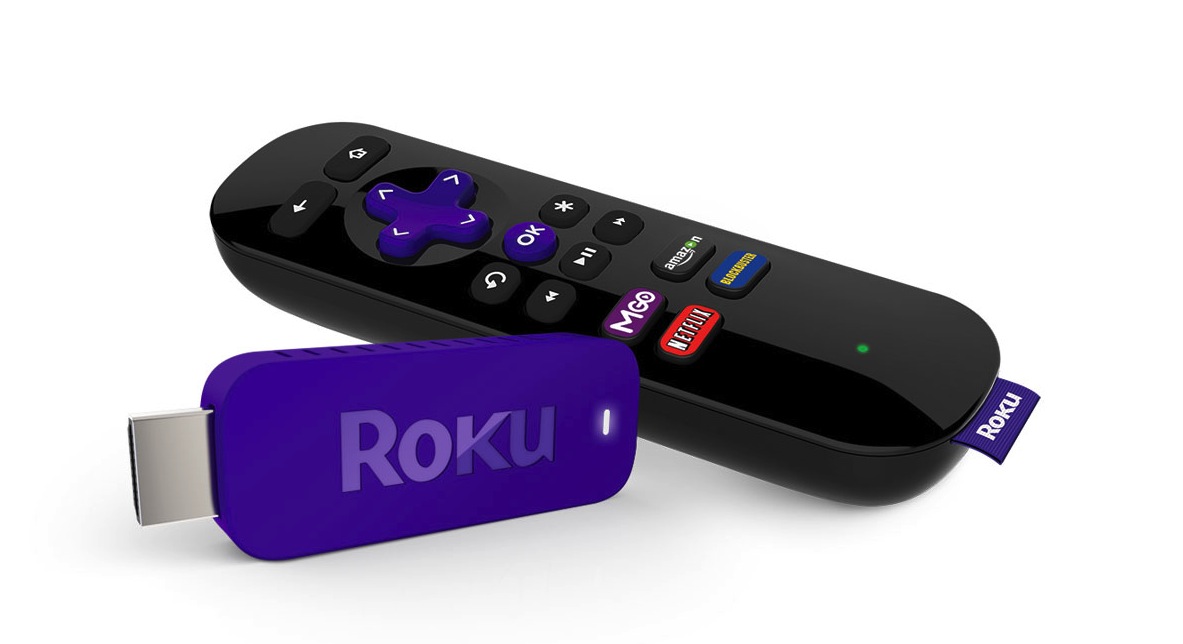
roku-streaming-stick-and-remote-control-qtoothRoku is set to start shipping its new HDMI-connected Streaming Stick in April. It is intended to compete directly with Google’s very popular Chromecast. Seeing as Roku’s new device sells for $49.99 versus $35 for Chromecast, it looks like the competition will be fierce.

So what makes this different than the original $99 Roku Streaming Stick?  The new HDMI Version is not limited to “Roku-Ready” TVs that use ports that support Mobile High-Definition Link (MHL) technology. It will work with any TV with an HDMI input.

According to Roku chief marketing officer Matthew Anderson, the original MHL-compatible Roku Stick will still be available, but most likely limited to being bundled with compatible TVs and specialized remote controls that can work with the streaming device and the set itself. Roku has not disclosed sales figures for the original stick, but since the company certified 60 different  products from 14 consumer electronics partners and that 20 companies are already in the Roku Ready program, it is estimated that they have shipped about 8 million devices in the US alone.

And just like the rest of Roku’s streaming boxes, the new Streaming Stick will support Roku’s 1,200-plus apps/channels, including authenticated TV Everywhere apps such as HBO GO, Watch Disney, WatchESPN, and TWC TV from Time Warner Cable.

As long as there is a solid internet connection that can handle the data rates, the new HDMI version can deliver 1080p video and uses a mini USB port that can draw power from a USB port on the TV or directly from a wall outlet. The 802.11n Wi-Fi-enabled device will also ship with a remote control and the ability to use mobile apps that can also control the Roku Streaming Stick. Anderson said the new product is also made to support DIAL (Discover and Launch), a feature currently supported by the Roku 3 that lets users fling video from YouTube and Netflix from a mobile device to the TV, tying in a feature that’s central to the rival Chromecast platform. The new adapter will also let users view locally-stored personal photos on the TV.

roku-streaming-stick-qtooth

Roku is trying on several fronts to compete with rivals such as Google and Apple, who makes the ever-popular iTV. At the International CES event in January, Roku announced that Hisense and TCL are the first television manufactures that will launch models that integrate the Roku platform. The first of the Roku TV models are expected out this fall.

QTOOTH will be on the lookout for this device and will do a review when the Roku HDMI Streaming Stick become available.

[easyazon_block add_to_cart=”default” align=”left” asin=”B00DR0PDNE” cloaking=”default” layout=”left” localization=”default” locale=”US” nofollow=”default” new_window=”default” tag=”uneomediacom-20″]

[easyazon_block add_to_cart=”default” align=”left” asin=”B00I4ZO11C” cloaking=”default” layout=”left” localization=”default” locale=”US” nofollow=”default” new_window=”default” tag=”uneomediacom-20″]

[easyazon_block add_to_cart=”default” align=”left” asin=”B00BGGDVOO” cloaking=”default” layout=”left” localization=”default” locale=”US” nofollow=”default” new_window=”default” tag=”uneomediacom-20″]

Filed Under: Entertainment, Featured Content, Home & Office, News

Bluetooth Internet of Things Revolution? Announcing CSR Mesh

2014-02-25

http://www.youtube.com/watch?v=FtLBazKoFq8&feature=youtu.be

This is huge! Exciting news for Bluetooth and the future of the Internet of Things, or IoT.

Chip manufacturer and Bluetooth pioneer CSR is today announcing their new Bluetooth protocol called CSR Mesh. Soon you will be able to walk through a wired environment, whether its your home or office, even certain public spaces, and your connected smart device will be able to control it for you. This could be either done automatically through settings that you have pre-programmed or done on the fly using voice command, gesture control or interacting with your favorite device’s touch screen. You will be able to control any Bluetooth Smart enabled device from wherever you are, including lighting, heating, appliances, and entertainment and security systems. Best of all, it doesn’t require the complex setup, pairing, or use of an access device such as a router.

What makes this possible? The CSR Mesh protocol allows Bluetooth to create a decentralized network of interconnected Bluetooth Smart devices. Most current, common Bluetooth applications allow for up to seven devices to be available for pairing and yet will allow only two to be active at any time and only within a 33ft/10 meter range. CSR Mesh technology allows each Bluetooth Smart device to communicate with all of the others in the network. Each added device will also extend the working range of the network.  With CSR Mesh, you can control up to 65,000 devices in a single network! And if that wasn’t enough, there is virtually no limit to the number of networks that can be setup in a given location.

Why are these types of numbers so necessary for the success of the Internet of Things? It might seem overkill at first, but consider a modern office building. They can be the size of skyscrapers and contain hundreds of businesses and tens of thousands of employees. This will allow each person to have their own personal network that may or may not overlap with their team’s network, that might overlap with their division’s network, that might overlap with their company’s network, that might overlap with the office building’s network… You get the idea. And I hope you are starting to get the scope of what CSR has done. This is an incredible enabler for inventors, developers and manufacturers in every industry. It is limited at this point only by our imagination. CSR put together a great introductory video to help explain the concept (see above).

CSR is already currently working with a number of undisclosed companies that are building products based on CSR Mesh, set to be launched in the near future. This is going to be a quantum leap for all technology, not just wireless. We all knew it was coming, but CSR Mesh is helping make it today’s reality. And if thinking about this has only led you to more questions, you are not alone. We have plenty, and we are going to be leveraging our contacts at CSR to get them answered. This will not be the last post from us concerning Mesh. Stay tuned, we will have more for you soon!

Click here for CSR’s Original Press Release.

[easyazon_block add_to_cart=”default” align=”center” asin=”B00DGEGJ02″ cloaking=”default” layout=”left” localization=”default” locale=”US” nofollow=”default” new_window=”default” tag=”uneomediacom-20″]

[easyazon_block add_to_cart=”default” align=”center” asin=”B009AR2MQO” cloaking=”default” layout=”left” localization=”default” locale=”US” nofollow=”default” new_window=”default” tag=”uneomediacom-20″]

[easyazon_block add_to_cart=”default” align=”center” asin=”B00H0OL04E” cloaking=”default” layout=”left” localization=”default” locale=”US” nofollow=”default” new_window=”default” tag=”uneomediacom-20″]

Filed Under: Home & Office, News, Tech Talk

House of Marley Finds a Way to Be Unique in Bluetooth Audio – Review

2014-01-20

It was painfully obvious at the 2014 CES show that there are more than enough “me too” products out there. Everybody and their cousin makes a version of a smartphone case (look, we’re unique, ours has Swarovski crystals!), and almost every booth at the world’s largest consumer electronics show featured a Bluetooth portable audio device. It went from mind-numbing to nauseating-overload pretty quickly!

In our non-scientific opinion, we would estimate 70% of these Bluetooth devices run the gamut from bad to nothing special. That leaves the other 30% to be quite good, sold by reputable companies, and worthy of consideration. However, that is still a heck of a lot of Bluetooth portable audio devices to sift through! What could possibly make us choose one over another?

Well, that’s how we felt as we stumbled into the House of Marley booth. House of Marley? Like, as in Bob Marley? Yes, confirms the massive banners sporting his iconic image. Yes, the discrete use of green, gold and red on their product tags subtly testifies (Haile Sellassie I!). Yes, declares the music bumping a chill, trans-world groove. Ok, say we, the marketing for this line of audio and lifestyle products is a no-brainer. Hard to go wrong with Robert Nesta Marley as your lead salesman. The product was good looking, well-designed. We took a few pictures, muttered a non-committal “yeah, that’s cool” and went to make our way to the next of 2,300 vendors hawking their wares at this massive Las Vegas trade show.

And that’s when Nick, one of the Beautiful People working the House of Marley booth, came sprinting after me and asked me in rapid-fire succession:  “Do you have any questions about any of our products? Would you like to try anything out or get a demo?  Would you at least take one of our free (cool, wood-finished) thumb drives that has all of our info and media on it? Is there anything in particular that you’re looking for at the show?” It was a classic, courteous, and earnest save when an experienced salesperson realizes that a potential customer has been neglected and is about to slip away. Having been in sales and marketing for a long time, the gesture was greatly appreciated. And his last question let me get right to the point, “Anything wireless?” “Absolutely, please let me have you try a few of our latest Bluetooth products…”

house-of-marley-get-together-bluetooth-wireless-review-qtoothWhy do I relate this long introduction to a review? Because I soon learned this level of professionalism and attention to detail permeates not only the company but also their products. House of Marley has found a few supremely cool niches to help them standout in a VERY crowded field. So what exactly are they doing? Here’s the three main things:

First, they made sure anyone who wanted to had a chance to actually try out their products at CES. Too many booths at the show had all of their products behind glass or securely locked down to a display case. If a company isn’t willing to let the attendees at the biggest trade show in their industry try out the gear than these potential influencers will have no reason to get excited. They might even think it’s because these companies don’t believe in their own product. In this case, Nick had me back in the House of Marley booth and auditioning the sound of their new Liberate XL Bluetooth wireless headphones in under a minute.

Second, they  definitely adhere to their credo, “Beauty—Durability—Earth-Conscious”. These are the three drivers behind House of Marley’s entire product line. There is no doubt that they have it down when it comes to the “beauty” department. Everything in their line is the perfect mix of rootsy urban cool. A strong component of their design sense is their choice of materials.  They use their exclusive REWIND fabric, a unique blend of recycled water bottles, organic cotton and hemp, along with other materials including cotton and canvas textiles, recycled plastics, recyclable metals, bamboo and Forest Stewardship Council (FSC) certified woods. All of these things combine to create beauty and a durability with an earth-conscious peace-of-mind. The result is both fashionable and classic.

Third, they choose the right components. Let’s face it, if you know anything about technology you’ll know that most companies have to go to the same vendors to get the parts that go in these devices. Still, it helps when they assemble the right mix of components to make the whole package the best it can be. QTOOTH would go to some manufacturer’s booths at the trade show and ask what made their products special. The response would often be based on color, celebrity endorsement, or some unique feature that only worked with that company’s accessories. Ask them what they were doing to overcome the inherent limitations of the Bluetooth audio quality and either get some mumbo jumbo of it not being necessary, meaningless specs, or a blank stare. Not so with the House of Marley. Nick knew exactly what placed their product among the best.

house-of-marley-get-up-stand-up-bluetooth-wireless-review-qtoothAll House of Marley Bluetooth products include the A2DP profile, which means that they fully support wireless streaming of stereo audio. That’s cool, but then they go one step further. by making sure that their devices can handle AAC audio. AAC audio, common on iTunes and an ever-increasing number of devices, is an improved successor of the well-known MP3 format. This means better fidelity at a lower bit rates (better sound with smaller files). And on certain models (listed below) House of Marley Bluetooth also supports the aptX platform, which vastly improves the quality of all wireless audio. The results are noticeably great, especially combined with their design which included materials and ported cabinets that truly helped to improve audio quality. Can any manufacturer put these components in their devices? Yes, but only a few of them take the effort to do so. House of Marley could’ve easily rested on their cool aesthetic and the Bob Marley name and moved plenty of units. Instead, it was great to see that they cared enough to bring their customers the best experience possible.

house-of-marley-bag-of-riddim-bluetooth-wireless-review-qtoothImpressions: In general, there is always a lot of noise at these trade shows. Add to that all of the other music demos going on at the same time and it makes for a tough environment to gauge the audio quality of these devices. But in a way it’s ideal. If the sound coming out of the headphones or speakers can cut through all of that distraction and still sound great, that says a lot in their favor. Across the board we found the sound quality of the House of Marley line of Bluetooth wireless devices to be warm, tight and punchy with a good, precise articulation on the high end that provided what we would best describe as “musical clarity”. Overall, we did favor the devices that included aptX as part of the Bluetooth spec. But any way about it, the whole line gives a lot of value and easily goes head to head with the best of their competition. And did we mention all of this AND they are as Earth-friendly as possible? Irie, mon!

[easyazon_link asin=”B00CIHAIU0″ locale=”US” new_window=”default” tag=”uneomediacom-20″ add_to_cart=”default” cloaking=”default” localization=”default” nofollow=”default” popups=”default”]The Get Up Stand Up Bluetooth Wireless Home Audio System[/easyazon_link]

Drivers: Two 4.5″ Woofers and Two 1″ Tweeters

Enclosure Type: Bass-Reflex

Amplifier Power: 40 Watts (20W x 2)

Features:

  • Quick pairing to any Bluetooth Device
  • Auto re-connect to last used Bluetooth Device
  • FSC Cerified Bent Walnut and Birch Wood Frame
  • Touch Sensitive Controls
  • Convenient Carry Bag with Strap
  • Optional Rechargeable Battery Pack Available
  • Supports Advanced Bluetooth AAC and APTX Codecs
  • IR Remote

Controls: Power, Volume, Bluetooth Pairing/Disconnect

Inputs/Outputs: Power Input, 3.5mm Stereo Audio Input,  RCA Sterio Audio Input, USB Power Output (For Recharging/Powering Personal Devices)

[easyazon_link asin=”B00C9WFJ5S” locale=”US” new_window=”default” tag=”uneomediacom-20″ add_to_cart=”default” cloaking=”default” localization=”default” nofollow=”default” popups=”default”]Bag of Riddim Bluetooth Wireless Portable Audio System[/easyazon_link]

Drivers: Two 4.5″ Woofers and Two 1″ Tweeters

Enclosure Type: Bass-Reflex

Amplifier Power: 40 Watts (20W x 2)

Features:

  • Quick pairing to any Bluetooth Device
  • Auto re-connect to last used Bluetooth Device
  • Exclusive Rewind Fabric Covering
  • FSC Cerified Bent Birch Wood Baffle
  • Touch Sensitive Controls
  • Convenient Carry Bag with Strap
  • Optional [easyazon_link asin=”B00GZ1R0W4″ locale=”US” new_window=”default” tag=”uneomediacom-20″ add_to_cart=”default” cloaking=”default” localization=”default” nofollow=”default” popups=”default”]Rechargeable Battery Pack[/easyazon_link] Available
  • Supports Advanced Bluetooth AAC and APTX Codecs

Controls: Power, Volume, Bluetooth Pairing/Disconnect

Inputs/Outputs: Power Input, 3.5mm Stereo Audio Input, USB Power Output (For Recharging/Powering Personal Devices)

[easyazon_link asin=”B00BPV4W8E” locale=”US” new_window=”default” tag=”uneomediacom-20″ add_to_cart=”default” cloaking=”default” localization=”default” nofollow=”default” popups=”default”]Roots Rock Bluetooth Wireless Portable Audio System[/easyazon_link]

Drivers: Two 2″ Woofers and Two 2.25″ Passive Radiators

Enclosure Type: Bass-Reflex

Amplifier Power: 16 Watts (8W x 2)

Features:

  • Quick pairing to any Bluetooth Device
  • Auto re-connect to last used Bluetooth Device
  • Exclusive Rewind Fabric Covering
  • Integrated cover protects drivers during transit
  • Easily rests anywhere with integrated footrest

Controls: Power, Volume, Bluetooth Pairing/Disconnect

Inputs/Outputs: Power Input, 3.5mm Stereo Audio Input

[easyazon_link asin=”B00ESJ9PQE” locale=”US” new_window=”default” tag=”uneomediacom-20″ add_to_cart=”default” cloaking=”default” localization=”default” nofollow=”default” popups=”default”]Get Together Bluetooth Wireless Portable Audio System[/easyazon_link]

Drivers: Two 3.5″ Woofers and Two 1″ Tweeters

Enclosure Type: Bass-Reflex

Amplifier Power: 20 Watts (10W x 2)

Features:

  • Quick pairing to any Bluetooth Device
  • Auto re-connect to last used Bluetooth Device
  • Exclusive Rewind Fabric Covering
  • Bamboo Front Baffle and Rear Trim

Controls: Power, Volume, Bluetooth Pairing/Disconnect

Inputs/Outputs: Power Input, 3.5mm Stereo Audio Input

Liberate Bluetooth Wireless Portable Audio System (Available May 2014)

Drivers: Four 1.125″ Full-Range Drivers

Enclosure Type: Sealed (Acoustic Suspension)

Amplifier Power: 10 Watts (5W x 2)

Features:

  • Speakerphone with Microphone
  • Quick pairing to any Bluetooth Device
  • Auto re-connect to last used Bluetooth Device
  • Exclusive Rewind Fabric Covering
  • Angled Design for Proper Sound Propagation

Controls: Power, Volume, Call Answer/End, Bluetooth Pairing/Disconnect, Play/Pause

Inputs/Outputs: Micro USB Power Input, 3.5mm Stereo Audio Input

[easyazon_link asin=”B00C76P7Q2″ locale=”US” new_window=”default” tag=”uneomediacom-20″ add_to_cart=”default” cloaking=”default” localization=”default” nofollow=”default” popups=”default”]Chant Bluetooth Wireless Portable Audio System[/easyazon_link]

Drivers: One 2″ Full-Range Driver

Enclosure Type: Sealed (Acoustic Suspension)

Amplifier Power: 2 Watts x 1

Features:

  • Speakerphone with Microphone
  • Quick pairing to any Bluetooth Device
  • Auto re-connect to last used Bluetooth Device
  • Exclusive Rewind Fabric Covering
  • Carabiner Clip for Easy Portability

Controls: Power, Volume,  Call Answer/End, Bluetooth Pairing/Disconnect

Inputs/Outputs: Micro USB Power Input, 3.5mm Stereo Audio Input

The Liberate XL Bluetooth Wireless Over-the-Ear Headphones (Available May 2014)

Headphone Type: Over-Ear
Communication: Universal In-Line Microphone
Control: Universal Three-Button Controller
Driver: 50MM Moving Coil
Connector: Nickel-Plated 3.5MM
Stereo Frequency Response: 15Hz – 22KHz
Sensitivity: 103dB @ 1kHz
Impedance: 32Ω @ 1kHz
Supports: Bluetooth aptX and AAC Codecs

Filed Under: Home & Office, News, Reviews

  • « Go to Previous Page
  • Page 1
  • Page 2
  • Page 3
  • Page 4
  • Page 5
  • Page 6
  • Page 7
  • Go to Next Page »

Primary Sidebar

Affiliate Disclosure

This website uses affiliate programs for monetization. At no additional cost to you, links to various sites mentioned in posts may result in a commission that is credited to this site if you make a purchase.

Some affiliate programs and affiliations include, but are not limited to, Commission Junction, Apple, Google, Amazon.com and more.

For complete details
click here.

Copyright © 2026 · Preferred Hosting by WP Engine and Domain Name Registry by Namecheap

We are using cookies to give you the best experience on our website.

You can find out more about which cookies we are using or switch them off in .

QTOOTH
Powered by  GDPR Cookie Compliance
Privacy Overview

This website uses cookies so that we can provide you with the best user experience possible. Cookie information is stored in your browser and performs functions such as recognising you when you return to our website and helping our team to understand which sections of the website you find most interesting and useful.

Strictly Necessary Cookies

Strictly Necessary Cookie should be enabled at all times so that we can save your preferences for cookie settings.

3rd Party Cookies

This website uses Google Analytics to collect anonymous information such as the number of visitors to the site, and the most popular pages.

Keeping this cookie enabled helps us to improve our website.

Additional Cookies

This website uses the following additional cookies:

(List the cookies that you are using on the website here.)